When testosterone testing is helpful, what symptoms matter, and why one low result is not enough.
Low T is not a feeling
Fatigue, poor concentration, low mood, and low libido are real symptoms but are not specific to testosterone deficiency. Sleep disorders, medication side effects, depression, chronic illness, and other conditions can look similar.
What symptoms raise suspicion?
Reduced sexual desire, fewer spontaneous erections, and other consistent symptoms may support testing. A clinician also considers medical history, testicular or pituitary problems, fertility goals, and current medications.
How testing works
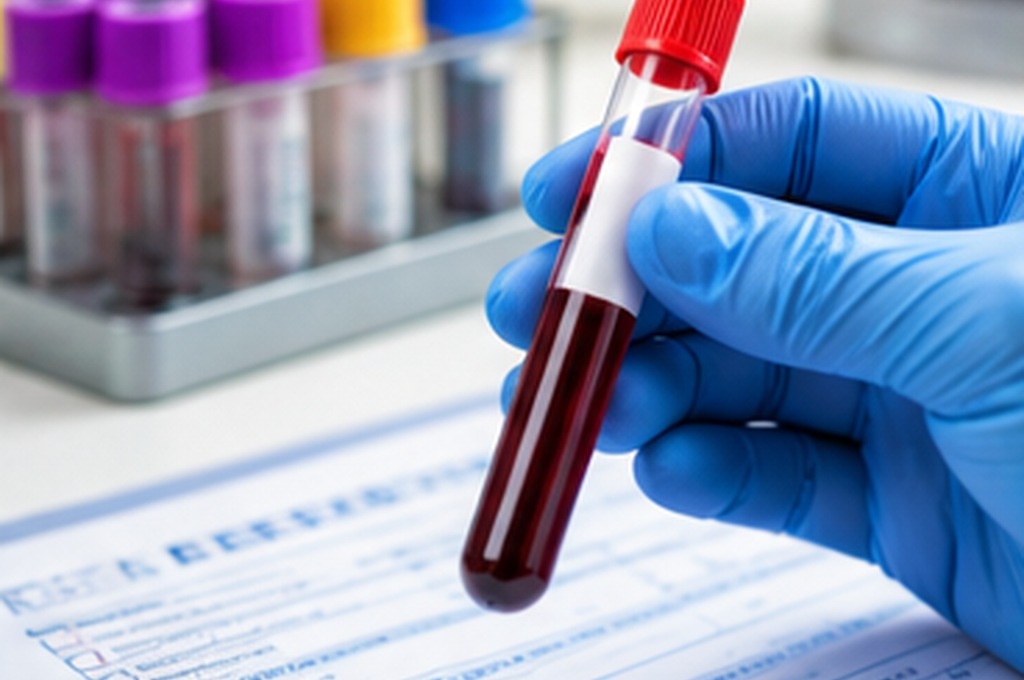
Usually start with an early-morning total testosterone level. A low result generally needs confirmation on another morning, interpreted with symptoms and the laboratory reference range. Selected cases need free testosterone, LH, FSH, prolactin, or other tests.
Don’t treat a number by itself
A single result collected at the wrong time, during illness, or without clinical context can be misleading. Testosterone treatment has risks and may suppress sperm production. Getting the diagnosis right matters.
The sensible next step
Ask: What symptoms do I have? Are there reversible contributors? Which tests would actually change the plan? A useful diagnosis is more than a laboratory number.
What should you do next?
Write down what changed, how long it has been happening, what medicines you take, and what else is going on in your health or relationships. Take that information to a qualified clinician if the problem is persistent, distressing, or unexplained. A good plan starts with understanding your actual situation.
Endocrine Society: Testosterone Therapy Guideline · NIDDK: Sexual Health and ED · AUA: Testosterone Deficiency Guideline
Educational information only. A clinician should evaluate new or persistent symptoms. The displayed reviewer credit must be verified before publishing.